PIINA
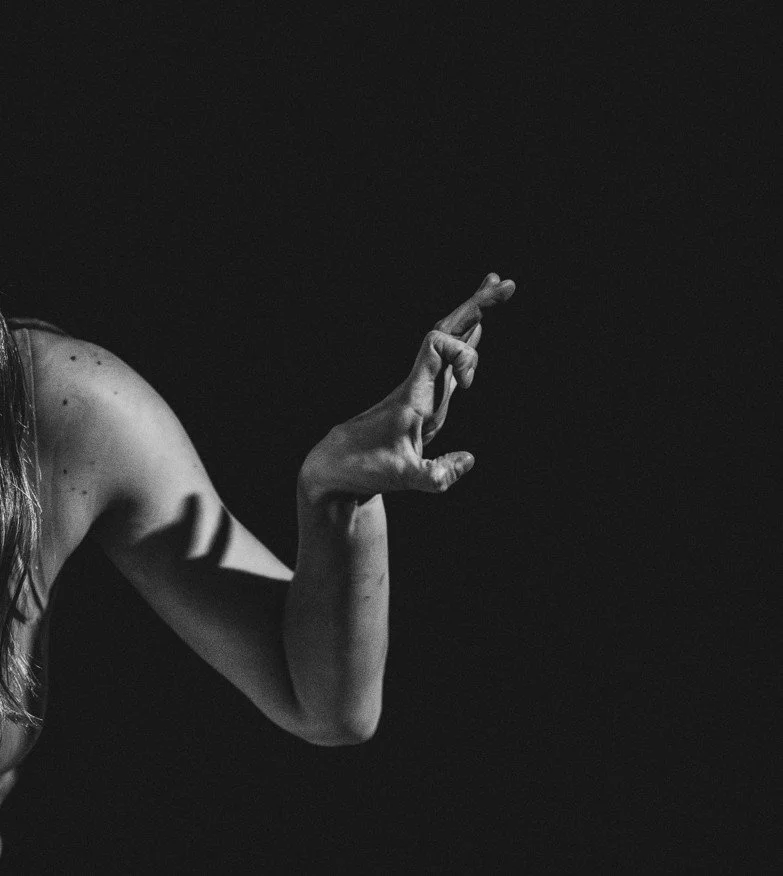
Pain speaks. Piina listens.
Piina is an evolving artistic universe created by Norwegian artist and composer Ingrid Galadriel Aune Falch.
Through music, storytelling, handcrafted instruments, film, writing and place-based experiences, Piina explores pain as a language—inviting us to listen more deeply to the body, memory and the landscapes that shape who we are.
Rather than asking how pain can be overcome, Piina asks a different question:
What if pain has been trying to tell us something all along?
The Philosophy
The Norwegian word pina means torment.
Not the brief hurt of a stubbed toe, but the slow and persistent suffering that can settle into body and mind. It may manifest as chronic pain, a sense of darkness, of grief of longing, anxiety or emotional overwhelm. Experiences that resist explanation, yet continue asking for and demanding our attention.
Piina approaches pain not as an enemy to conquer, but as a language to be understood.
Listening becomes an act of reconciliation and the healing begins with curiosity.
The Music
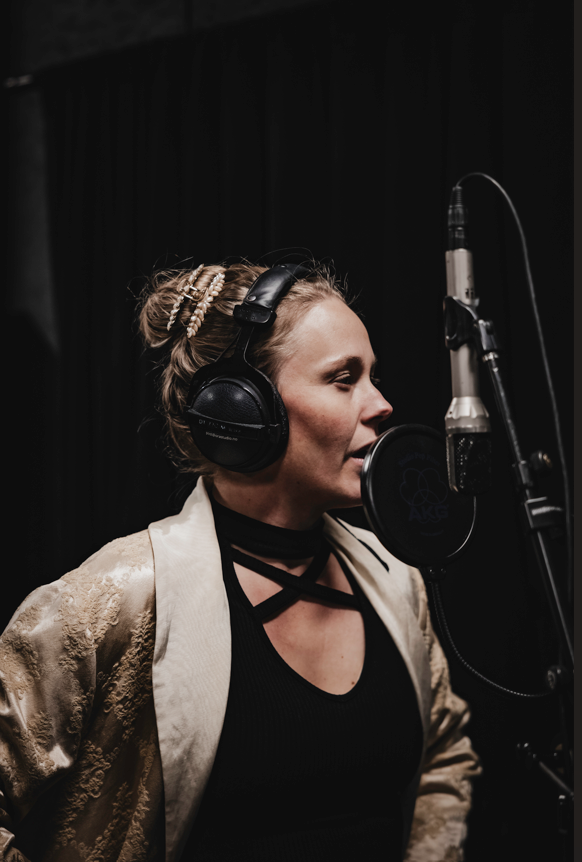
Music is the heart of Piina.
Each composition explores a different aspect of the conversation between pain, memory, identity and transformation.
Rather than creating isolated songs, Piina unfolds as one continuous body of work—a symphony of interconnected ideas where every release becomes another chapter in a larger artistic journey.
The Instruments
In Piina, every instrument has a story.
The primary instrument is the human voice. As a singer, Ingrid works with a wide vocal range, often recording and layering most of the vocal parts herself. Her compositions are characterised by intricate vocal harmonies inspired by Norwegian folk traditions, modal tonality and traditional singing techniques, creating rich and evolving vocal landscapes.
Piina is also deeply collaborative. Alongside Ingrid's own performances, invited musicians contribute their unique musical voices and artistic perspectives, allowing each work to grow through dialogue while remaining rooted in the project's core philosophy.
Many of the physical instruments are designed and built specifically for Piina using reclaimed materials, family heirlooms and objects deeply connected to place.
Place & Practice
PIINA is inseparable from the landscapes in which it is created—both the landscapes of the body and the landscapes of the natural world of the farm and the BlackBox.
The historic farm where Ingrid lives is more than a recording location. It is an integral part of the artistic practice. The forests, animals, old buildings and changing seasons continually shape the music, the handcrafted instruments and the stories that emerge through the work.
Equally important is movement. Many compositions begin not with words or melodies, but with the body itself. Through intuitive movement, active meditation and dance, musical ideas gradually unfold. Rhythm emerges from footsteps, breath and gesture long before it becomes sound. The body becomes both instrument and teacher, revealing emotions, memories and questions that cannot always be reached through language alone.
This philosophy extends beyond music into workshops, artistic collaborations and one-to-one client work. The farm provides a setting where people can slow down, reconnect with themselves, engage with nature and explore their own creative processes through conversation, movement and reflection.
How do we transform pain, memory and history into meaning?