The Works of PIINA
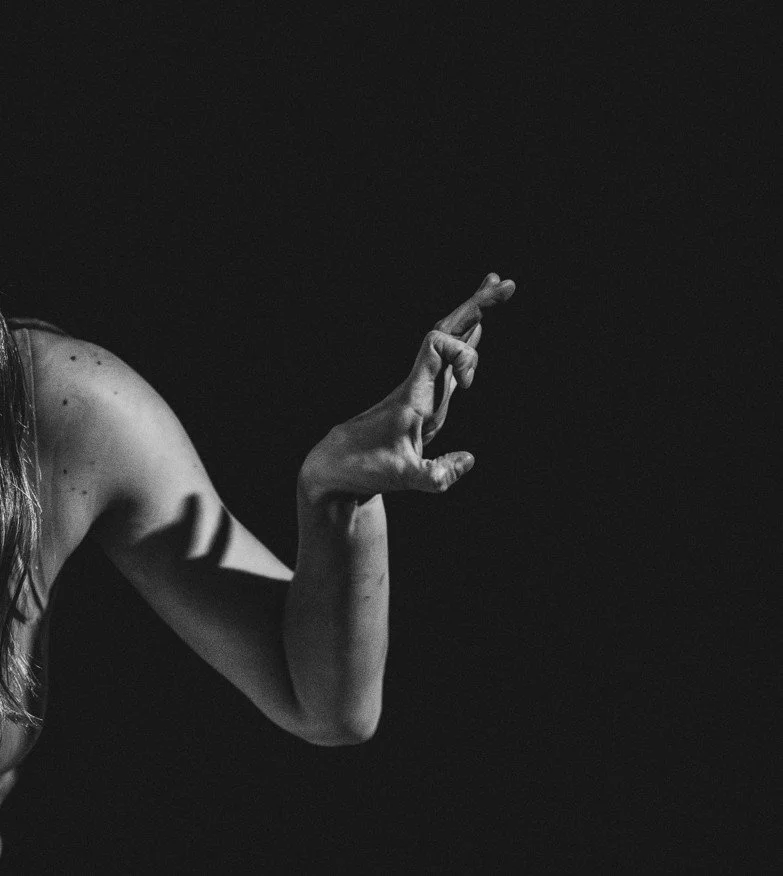
The Norwegian word pina means torment.
Not the brief hurt of a stubbed toe, but the slow and persistent suffering that can settle into body and mind. It may manifest as chronic pain, a sense of darkness, of grief of longing, anxiety or emotional overwhelm. Experiences that resist explanation, yet continue asking for and demanding our attention.
Piina approaches pain not as an enemy to conquer, but as a language to be understood.
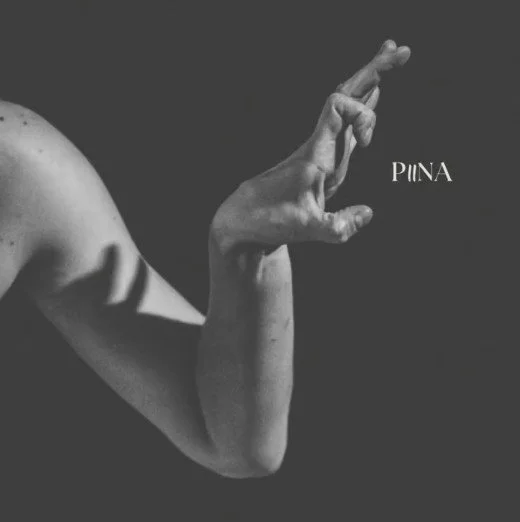
Piina (salme piina)
Salme Piina (Psalm to Pain) explores pain as a language—one that asks not to be silenced, but understood. The lyrics emerged in a single sitting, and the melody arrived in one uninterrupted sing-through. It is a stream of thoughts.
Ingrid Galadriel Aune Falch sings all voices on the track, and every sound on the recording is created using objects found at the farm, such as the Lurk and the Fælg.
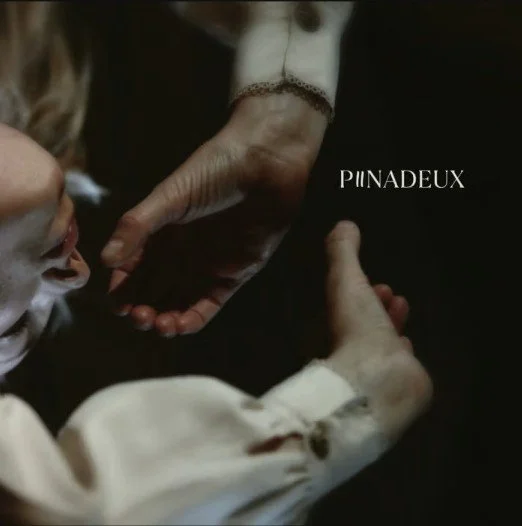
PIINADEUX
Piinadeux continues Piina's exploration of pain as a language, shifting from the initial eruption of expression towards a deeper dialogue with the body's own intelligence.
Where Salme Piina emerged in a single creative outpouring, Piinadeux developed over a longer period of listening, writing and refinement. The lyrics give voice to the body itself—not as metaphor, but as a narrator. The score was partly made in collaboration with Romanian artist Cristian Medrea, who also added humming to the track.
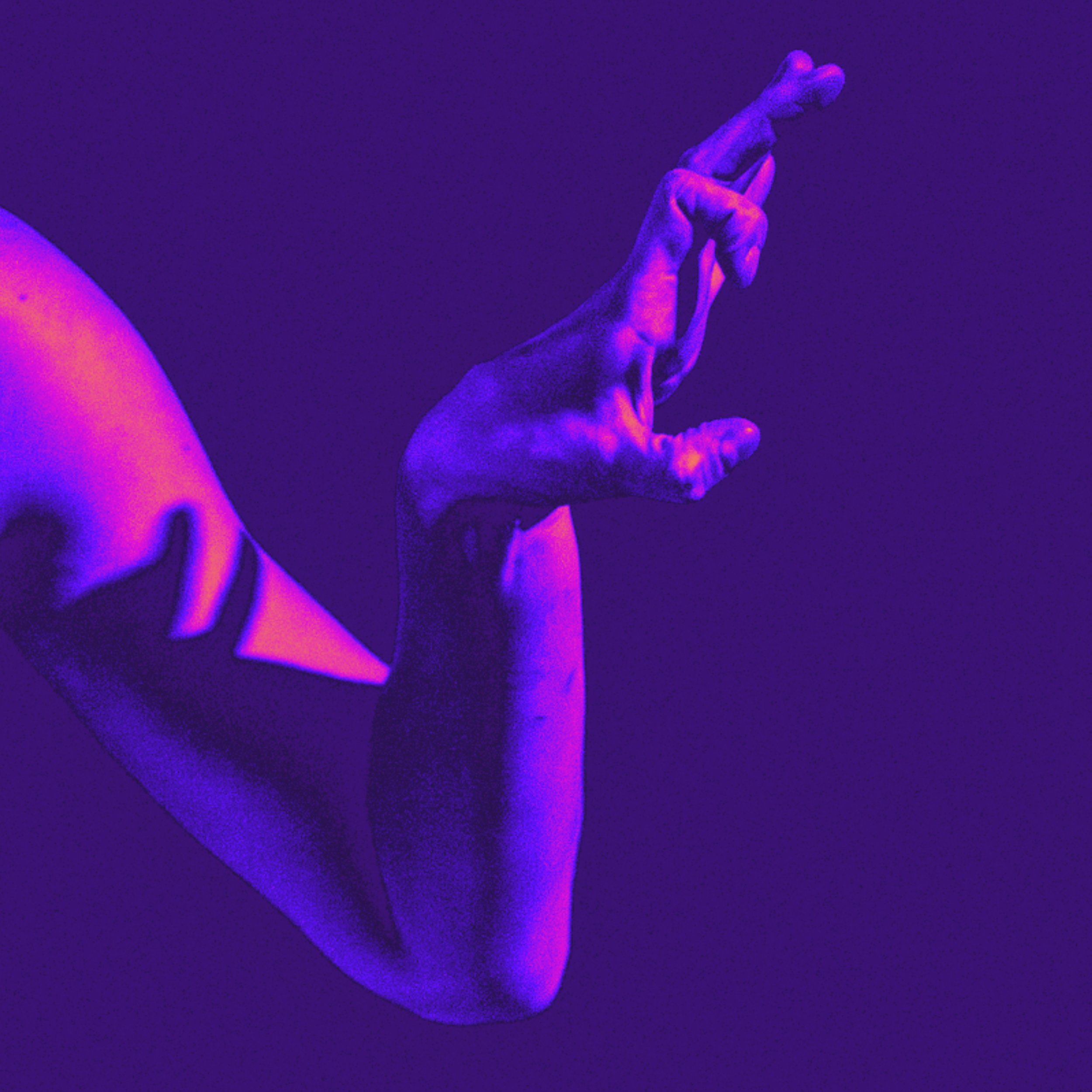
Den tredje piina
A grandfather, father and teenage son laughing at a silly joke. I was not present in the room where the laughing took place, and the people laughing do not know they are beeing recorded.
The first Piina (Psalm to Pain) explores pain as a language, one that asks not to be silenced, but understood.
Piinadeux (the second pain) shifts towards the body's intelligence, as we listen to it´s lament.
The Third Piina is to handle joy.